
Bachelor of Science (Capital Markets)

Number of Seats
60

Duration of Program
3 Years, 6 Semester

Important Dates
Last Date to Apply : As per University Schedule
ABOUT PROGRAMME
The B.Sc. in Capital Markets is an industry-aligned undergraduate program designed to bridge the gap between financial theory and real-world market application. It integrates key domains such as investment analysis, financial markets, technical analysis, behavioural finance, and regulatory frameworks into a cohesive learning experience.
The program prepares students for careers across equity research, trading, portfolio management, wealth management, and financial advisory by building strong analytical, numerical, and communication skills. It also emphasizes market psychology, discipline, and decision-making, which are critical for success in capital markets.
With integrated NISM certifications and CMT Level I, students gain both academic knowledge and globally recognized industry credentials, ensuring they are job-ready and compliant with regulatory standards.
Why Choose KES Shroff College for B.Sc. International Finance?
- Integrated with 8 NISM Certifications and CMT Level I.
- Industry-relevant curriculum with practical market exposure.
- Training by experienced faculty and professional traders.
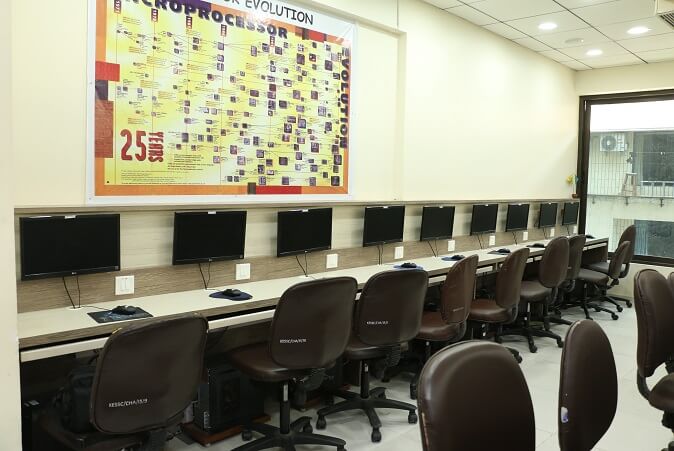
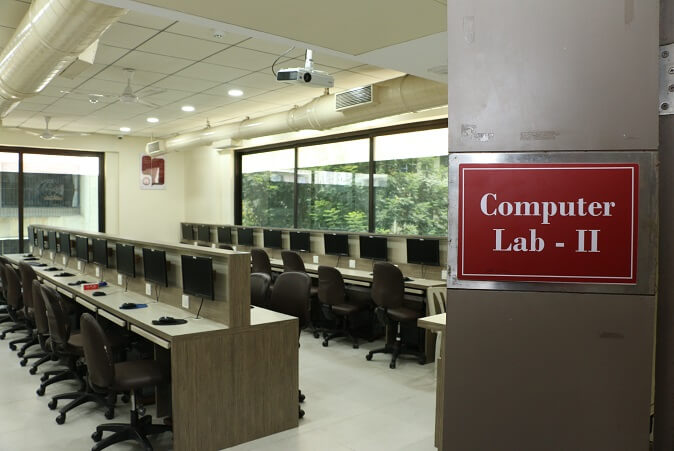
- Access to advanced trading labs and live market simulations.
- Strong focus on technical analysis, trading strategies, and research.
- One-on-one mentorship and personalized learning support.
- Development of analytical, behavioural, and communication skills.
- Additional skill training: Python, Power BI, Digital Marketing and Gen AI.
- 100% placement assistance and career support.
- Cost-effective pathway combining degree + professional certifications.
Join the B.Sc. in Capital Markets program at KES Shroff College and embark on a journey to become a skilled finance professional, equipped with in-depth knowledge of stock markets, investment strategies, and financial instruments to thrive in the dynamic world of capital markets.


WHY THIS PROGRAMME
- Industry-Ready Credentials: Gain regulatory and globally recognized certifications alongside your degree.
- Practical Market Skills: Learn through simulations, case studies, and live trading exposure.
- Research & Trading Edge: Build expertise in technical and fundamental analysis.
- Regulatory Advantage: Stay compliant with SEBI-driven certification requirements.
- Global Recognition: CMT certification adds international credibility.
- Career Versatility: Explore roles in trading, research, advisory, and portfolio management.
- Strategic & Analytical Thinking: Develop a strong foundation in market behavior and decision-making.
PEO1: To develop a strong foundation in capital market concepts, including equity, debt, derivatives, and financial instruments, along with analytical and problem-solving skills.
PEO2: To build essential knowledge of stock exchanges, trading mechanisms, and regulatory frameworks governing capital markets at national and international levels.
PEO3: To inculcate best practices in investment analysis, portfolio management, risk assessment, and financial decision-making.
PEO4: To create awareness about financial ethics, investor protection, and compliance with market regulations and governance standards.
PEO5: To equip students with practical skills in financial modeling, technical and fundamental analysis, and the use of modern trading platforms and analytical tools.
PEO6: To prepare students for higher studies, research, and continuous learning in finance, capital markets, and related domains.
PEO7: To enable students to build successful careers in stock markets, investment banking, financial services, wealth management, and entrepreneurship.
A graduate with a B.Sc. in Capital Markets will have the ability to:
PO1 Capital Market Knowledge: Understand and apply fundamental concepts of capital markets, including equity, debt instruments, derivatives, and trading mechanisms.
PO2 Problem Analysis: Analyze market trends, interpret financial data, and make informed investment decisions based on risk-return assessment and market conditions.
PO3 Financial Modeling and Tools: Demonstrate proficiency in financial modeling, technical and fundamental analysis, and the use of modern trading platforms and analytical tools.
PO4 Market Operations and Structure: Develop a comprehensive understanding of stock exchanges, clearing and settlement systems, and the functioning of primary and secondary markets.
PO5 Ethical and Regulatory Compliance: Apply ethical standards, investor protection principles, and comply with regulatory frameworks governing capital markets.
PO6 Risk Management: Identify, evaluate, and manage various types of financial risks such as market risk, liquidity risk, and credit risk using appropriate strategies.
PO7 Professional Skills: Enhance skills in financial communication, teamwork, decision-making, and presentation required for careers in financial services and capital markets.
PO8 Research and Analysis: Conduct research using quantitative and qualitative techniques to evaluate securities, market behavior, and investment opportunities.
PO9 Investment and Portfolio Management: Apply portfolio management techniques, asset allocation strategies, and performance evaluation methods for wealth creation.
PO10 Innovation and Financial Technology: Understand and utilize emerging technologies such as algorithmic trading, fintech platforms, and digital financial services in capital markets.
PO11 Societal and Investor Awareness: Recognize the role of capital markets in economic development and promote responsible investing with awareness of social and ethical implications.
PO12 Lifelong Learning: Develop a commitment to continuous learning to stay updated with evolving market trends, financial innovations, and regulatory changes in capital markets.
Graduates of B.Sc. in Capital Markets can look forward to exciting career prospects in the financial sector, such as:
- Equity Research Analyst
- Stock Market Trader
- Investment Analyst
- Portfolio Manager
- Derivatives Analyst
- Risk Management Analyst
- Wealth Manager
- Financial Advisor
- Compliance Officer (Capital Markets)
- Mutual Fund Analyst
COURSE CURRICULUM
SEMESTER 1
Major
- Introduction to Capital & Secondary Markets
- Introduction to Money Markets
- Business Mathematics
- Cost Management
- Basic Excel & Data Analytics
- Business Communication
- Microeconomics
Minor
- —
Ability Enhancement Courses (AEC)
- —
Vocational and Skill Enhancement Courses (SEC)
- —
Multi-Disciplinary Course (MDC)
- —
Indian Knowledge System
- —
SEMESTER 2
Major
- Introduction to Derivatives Market (F&O)
- Bonds & Interest Rate Market
- Financial Statement Analysis – I
- Macroeconomics
- Statistics
- Advanced Excel & Data Analytics
Minor
- —
Ability Enhancement Courses (AEC)
- —
Vocational and Skill Enhancement Courses (SEC)
- —
Multi-Disciplinary Course (MDC)
- —
Value Added Course (VAC)
- —
Exit option: Award of UG Certificate in Major with 40-44 credits and an additional 4 credits core NSQF course/ Internship OR Continue with Major and Minor
SEMESTER 3
Major
- Equity Trading Strategies & Valuation
- Technical Analysis – I
- Financial Statement Analysis – II
- Business Law – I
- Digital Marketing
Minor
- …….
Generic/ Open Elective Courses (Any one)
- ……
Vocational and Skill Enhancement Courses
- ….
Ability Enhancement Courses (Any one)
- …….
Field Projects
- Field Project
Co-Curricular (Any One)
- …….
SEMESTER 4
Major
- Technical Analysis – II
- Fixed Income Analysis & Strategies
- Financial Accounting
- Business Law – II
- Financial Planning
- Financial Analytics
Minor
- …..
Generic/ Open Elective Courses (Any one)
- …….
Vocational and Skill Enhancement Courses
- ……
Ability Enhancement Courses (Any one)
- …..
Community Engagement Program
- …….
Co-Curricular (Any One)
- …….
Exit option: Award of UG Certificate in Major with 80-88 credits and an additional 4 credits core NSQF course/ Internship OR Continue with Major and Minor
SEMESTER 5
Major
- Quantitative Trading
- Global Currencies Market
- Global Commodities Market
- Financial Planning – I
- Direct Taxation
- Entrepreneurship
Minor
- …..
Generic/ Open Elective Courses (Any one)
- …..
- …..
Vocational and Skill Enhancement Courses
- …..
Ability Enhancement Courses (Any one)
- …..
- …..
- …..
Field Projects
- …..
SEMESTER 6
Major
- Algo Live Simulated Trading
- Mutual Funds
- Application-Based Macroeconomics
- Financial Planning – II
- Indirect Taxation
Minor
- …..
Generic/ Open Elective Courses (Any one)
- …..
- …..
Vocational and Skill Enhancement Courses
- …..
Ability Enhancement Courses (Any one)
- …..
- …..
- …..
On the Job Training
- On-the-Job Training / Internship
HOW TO APPLY
The admission procedure usually starts in May after the results of class X/XII/Degree college are declared.
- Fill the Pre-enrollment form of the University of Mumbai through the University portal https://muadmission.samarth.edu.in/
- Choose the Autonomous option for your desired program to secure admission at KES Shroff College.
- Fill College online admission form on www.kessc.edu.in
- Upload a copy of the pre-enrollment form, HSC mark sheet/digital result, caste/reservation certificate if applicable, and E-Suvidha ticket.
- On the declaration of merit list (first then second and then third if required), pay the fees along with submission of the documents such as Undertaking regarding admission confirmation, SSC(X mark sheet), HSC, Leaving Certificate, Adhar card, scanned copy of Cheque book leaflet/bank account details and transfer certificate in case the student is from outside Maharashtra.
- For Programmes running under AICTE the MH-CET scorecard is a must.
- For further details and to know more about the college visit www.kessc.edu.in
EligiEligibility for FYB.Sc International Finance
A candidate for being eligible for admission to the Bachelor of Commerce (Investment Management) degree course shall have passed XII std. examination of the Maharashtra State Board of Secondary & Higher Secondary Education or its equivalent and secured not less than 45% marks in aggregate (40% in case of reserved category) at one and the same sitting. Every candidate admitted to the degree course in the constituent/affiliated college/recognized institution, conducting the course, shall have to register himself/herself with the University.
Eligibility for SYB.Sc Ineternational Finance
A candidate with all papers is allowed to keep terms for admission in second year.
Eligibility for TYB.Sc International Finance
A candidate is allowed to keep terms in not more than two papers of previous semester, but needs to clear at least one year i.e. FY or SY.
A student shall not be allowed to keep term (ATKT) in Third Year only if he/she fails in not more than two subjects in each of semester III and semester IV of Second year. Student he/she must have passed First year semester I & II in full.
Total no. of Seats: 60
Reservation of Seats: Reservations are as per the Government policy.
Fees: As prescribed by the University of Mumbai. The details have been mentioned on the college Notice board and the College website http://www. www.kessc.edu.in
Duration of Programme: 8 Semesters spread over 4 years.
Enforcement of Attendance:
Our college is a pioneer institute in introducing the computerized attendance system. The computerized defaulters’ lists are displayed division wise regularly at the end of every month on the Students Notice Board. The students failing to fulfill the required attendance shall be DETAINED and shall not be permitted to take the Annual / Board examination. Warning letters from the Principal are sent to parents of the defaulting students. The letters are given to the concerned students by the class teachers in the classrooms. The students must hand over these warning letters to the parents. Students should note that fulfilling the attendance requirement alone will not qualify them to appear for the examination. Their academic performance should also be to the satisfaction of the principal.
General Rules & Regulations:
- Every student should obtain an ID card and show at the entry
- Students should not loiter in the corridors when the lectures are engaged
- Giving proxy attendance is a serious act of indiscipline
- Students applying for certificates/testimonials and attestation should first contact the college office
- Ragging is strictly prohibited on the college premises
- The use of mobile phones inside the college is strictly prohibited. If caught using a cell phone it is confiscated for a period of 1 year
Punitive Measures:
- Warning
- Cancellation of admission
- Refusal to grant admission in future
- Withholding or withdrawing of University exam form
- Expulsion / rustication from college
- Fine not exceeding Rs. 300
- Non-refund of fees and deposits
- Suspension for a specified period